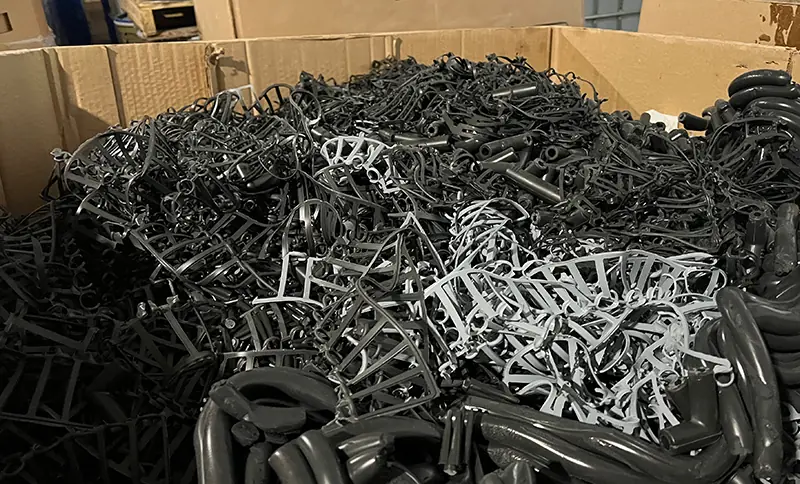
Yes—silicone rubber can be recycled through specialized industrial processes. At ECO USA, we collect suitable post-industrial silicone rubber scrap and process it into recycled polydimethylsiloxane (PDMS) silicone oil at our plant in Parkersburg, West Virginia.
Recyclability does not mean that every silicone product has an available collection route. Our programs focus on bulk material from manufacturers and industrial businesses; we do not currently collect household post-consumer silicone products.
What is silicone rubber?
Silicone rubber is an elastomer based on polymers with a silicon–oxygen backbone. Its formulation and curing system influence flexibility, temperature resistance and other performance characteristics.
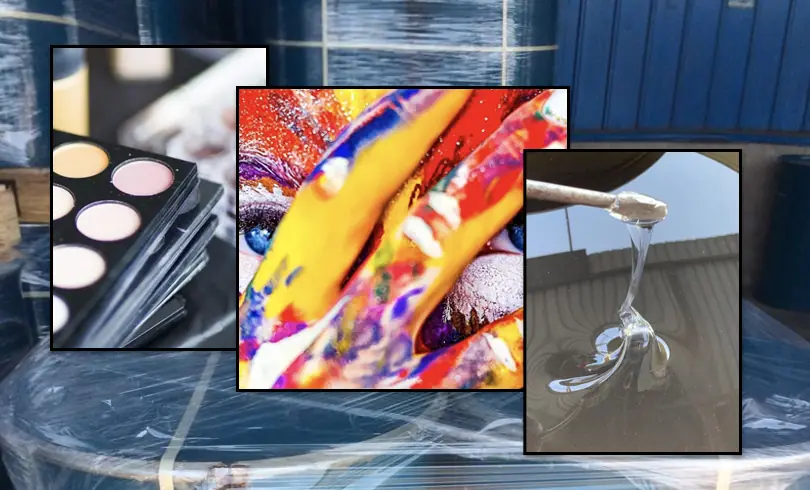
Manufacturers use silicone rubber in seals, gaskets, tubing, electrical components, kitchenware and selected medical parts. However, food-contact and medical uses depend on the specific grade and application. The same applies to operating temperatures. Check the requirements for each material.
Which silicone rubber scrap can be assessed?
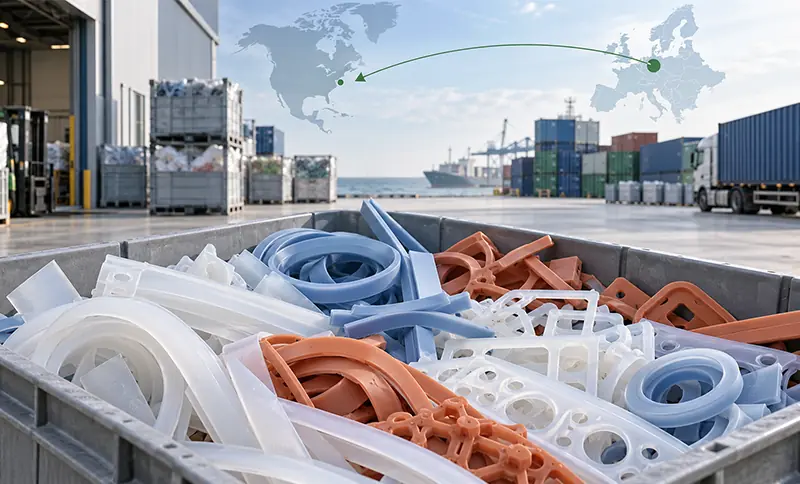
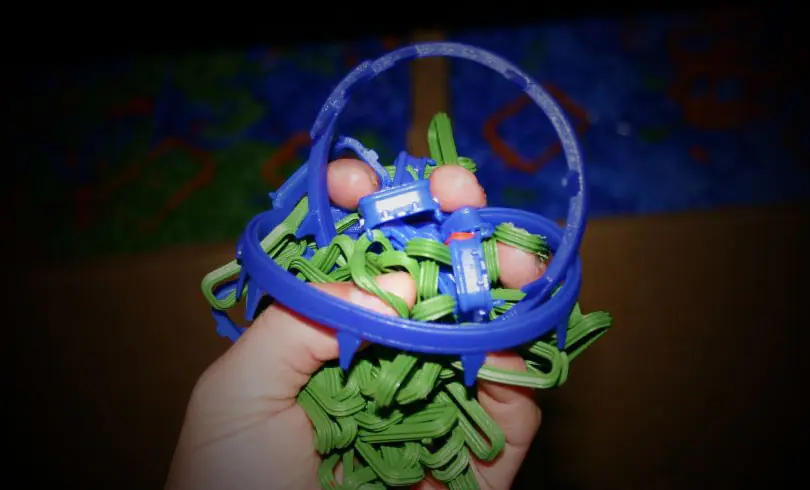
ECO USA evaluates cured and uncured industrial silicone streams. Examples include molding runners, flash, sheet trimmings, punch-out scrap, rejected parts and surplus liquid silicone rubber.
Three factors are especially important when assessing a recycling stream:
- Quantity: Bulk industrial volumes make collection and processing more practical. Tell us the amount available and how often it is generated.
- Separation: Keep silicone apart from other rubbers, plastics, metal and general waste. Describe any bonded or attached components.
- Composition: Fillers, additives and contamination can affect silicone recovery and processing suitability. Share product information and available data sheets.
Explore the types of silicone rubber scrap we collect. Our team reviews the material before confirming acceptance.
Why focus on post-industrial silicone?
Manufacturing processes generate scrap before a product reaches the consumer. A factory often knows its origin and can collect it separately in larger, more consistent quantities.
For example, a silicone sheet manufacturer may accumulate edge trimmings, while a molding operation may generate runners or rejected parts. Identifying and separating these streams at the source helps us assess their suitability for recycling.
Household silicone products are harder to collect and sort economically because they may be mixed with other materials and dispersed across many locations. ECO USA does not currently offer a residential collection program.
How is silicone rubber recycled?
Cured silicone rubber is a crosslinked material. It requires a specialized recycling route rather than simply being melted and remolded like a thermoplastic.
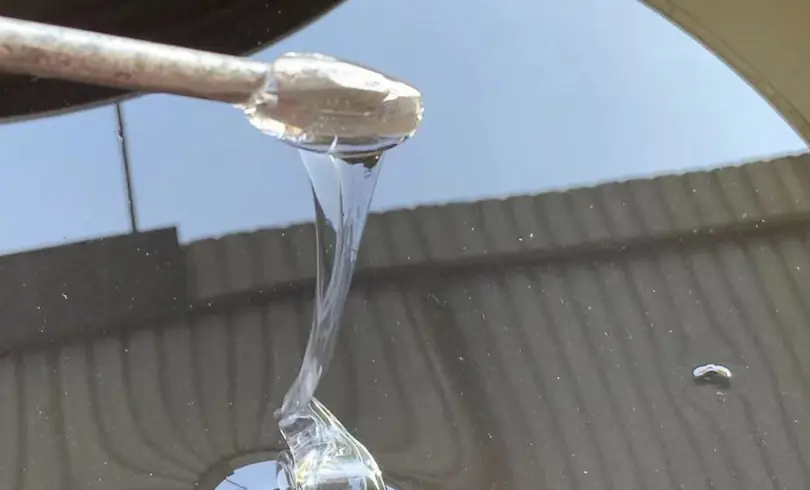
At ECO USA, we collect, prepare and chemically process suitable feedstock to recover silicone components. Next, filtration and polymerization produce recycled PDMS silicone oil for industrial applications. Our silicone recycling process overview explains the main stages.
How to discuss your silicone scrap
If you are a manufacturer, molder or recycler, contact ECO USA with photos, the material type, estimated quantity and collection location. Include the product name, SDS or TDS and any information about contamination where available.
Our team can then discuss material suitability, collection options and the next steps for your stream.