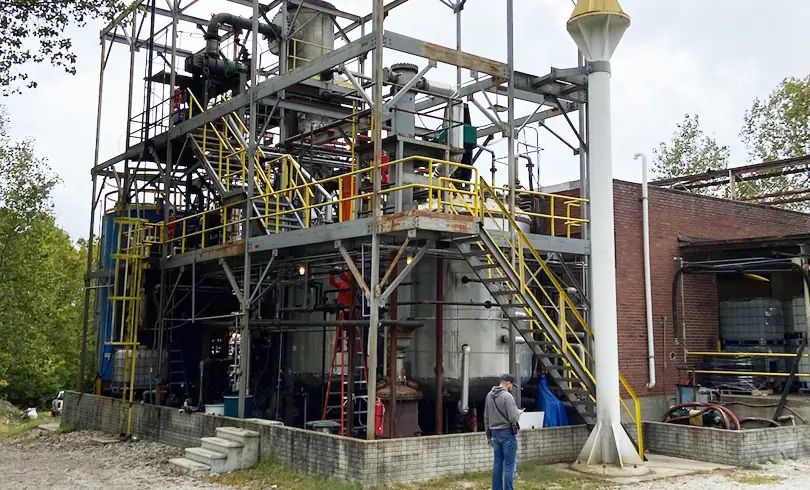
ECO USA’s silicone recycling plant reached an early milestone in 2018. The team completed the first development phase in West Virginia. This announcement records that early step in expanding recycling options for industrial silicone materials.
An early milestone in silicone recycling
At the time of the original announcement, ECO USA reported processing capacity of approximately 500 metric tons per month, with plans to reach 1,000 metric tons. Those figures describe the development stage reported in this historical article; they are not a statement of current capacity.
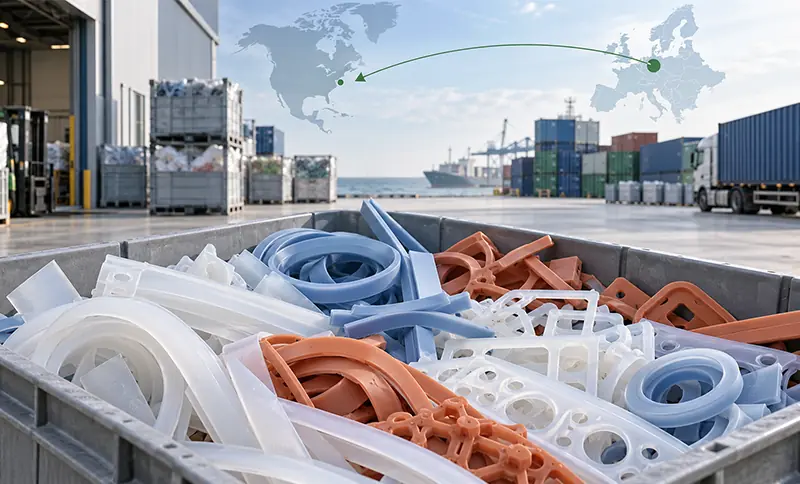
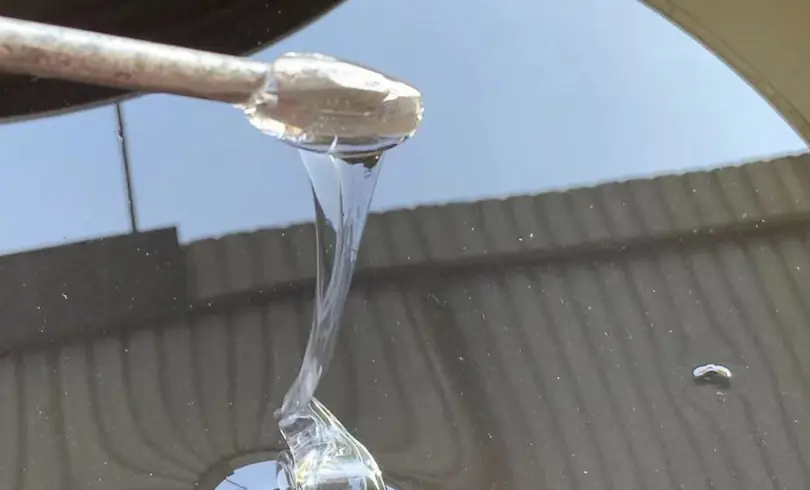
ECO USA developed the plant to recover silicone from suitable manufacturing scrap, surplus chemicals and other industrial material streams. The plant produces recycled polydimethylsiloxane (PDMS) silicone oil for new products and industrial applications.
Collection programs for silicone manufacturers
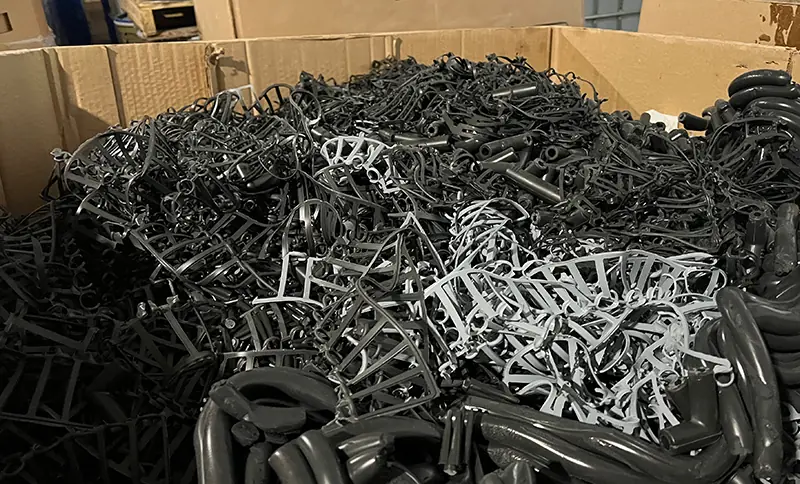
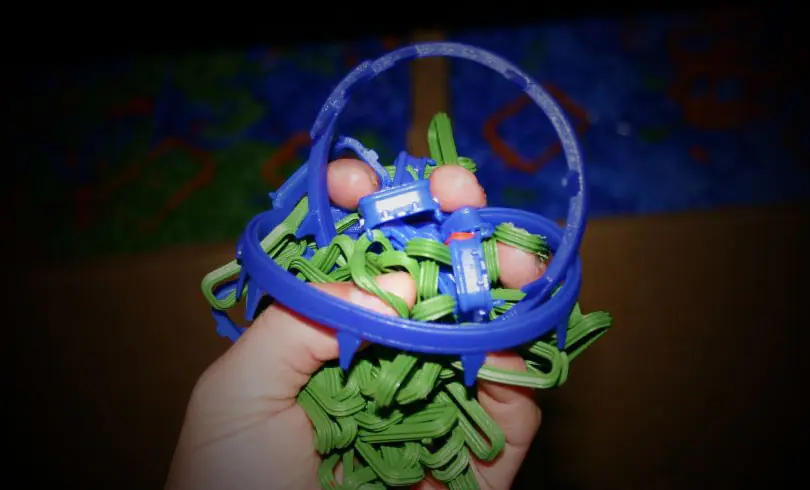
ECO USA works with manufacturers, molders and compounders to assess streams such as silicone purges, runners, trimmings and rejected silicone parts. Collection arrangements depend on material suitability, quantity and location.
The focus is on bulk industrial material. ECO USA does not currently offer a residential collection program. Businesses can discuss a material assessment and collection options with our team.
Recycled silicone oil for industrial applications
Recycled PDMS silicone oil supports industrial applications such as emulsions, release agents and lubrication. However, users must check the product specification and the requirements of the end use.
In the original announcement, co-founder Edmund Tse described the company’s silicone oil as “very competitively priced” and said it “works the same as name brand products.” Application suitability should be assessed against the relevant technical requirements.
Understanding the carbon footprint comparison
The original announcement reported lower production emissions than virgin silicone oil. Carbon footprint comparisons depend on the product, study method and system boundaries, so historical figures should not be treated as a universal result for every application.
For information about the later 2022 comparative life cycle study, see our carbon footprint section. Contact ECO USA for current product specifications, study documentation or collection information.