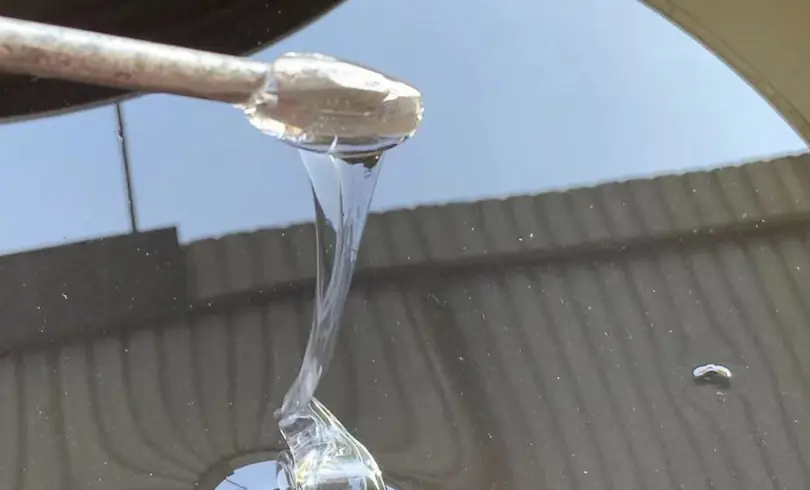
SYLTHERM™ XLT is a silicone-based heat transfer fluid used for low-temperature liquid-phase heating and cooling. ECO USA assesses suitable used, surplus and off-specification silicone fluids for recycling, including streams identified by their manufacturer and product grade.
What is SYLTHERM XLT?
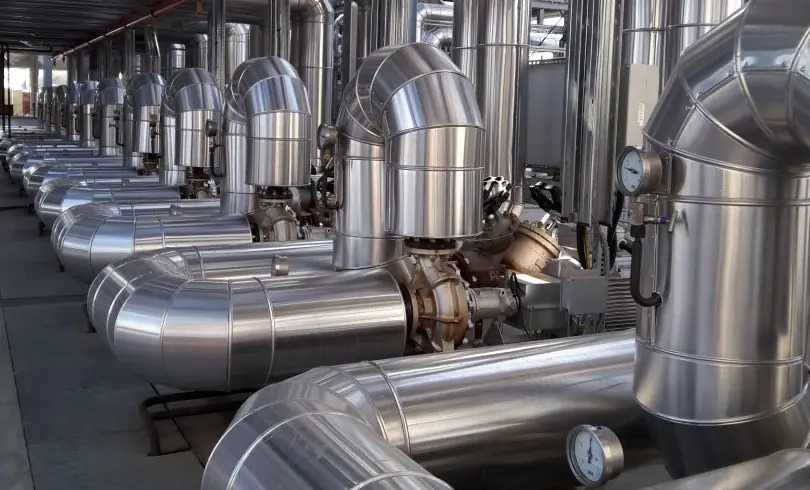
Dow describes SYLTHERM XLT as a silicone polymer heat transfer fluid with low-temperature pumpability and a low potential for fouling. Its applications include chemical processing and pharmaceutical operations.
Operating range and product information
Dow’s product information gives a recommended use range of −100°C to 260°C and a maximum operating temperature of 260°C. It also lists a freezing point below −111°C.
Operating limits, typical properties and actual fluid condition are different considerations. Use the manufacturer’s current technical documentation for equipment design and operation rather than assuming that a property such as freezing point defines the allowable service range.
Assessing fluid removed from service
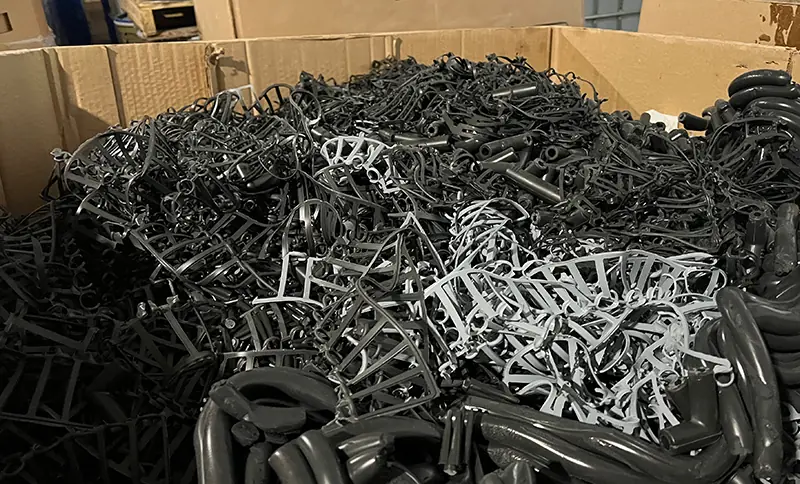
Before a used heat transfer fluid can be accepted for recycling, its identity and condition need to be understood. Thermal history, contamination and mixing with other products can affect compatibility with a recovery process.
For an initial assessment, provide:
- The product name and available SDS or TDS.
- The estimated quantity and collection location.
- Whether the fluid is unused, off-specification or used.
- Its operating history and any known contamination.
- Container information and available analysis results.
Silicone fluid recycling at ECO USA
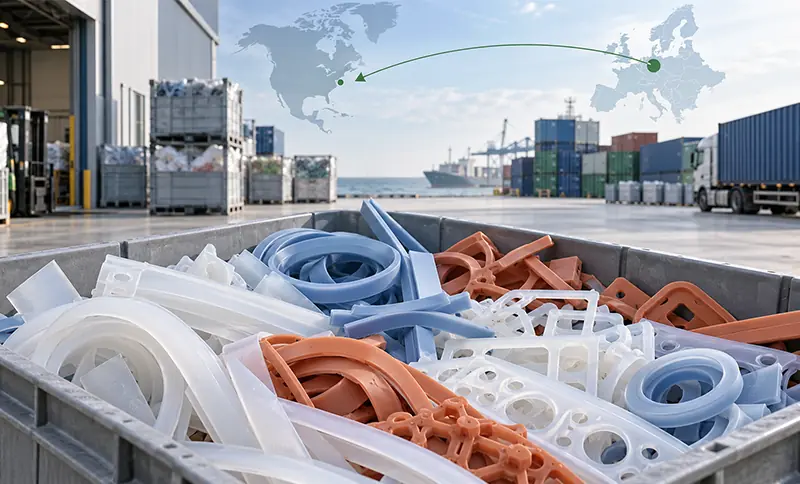
Suitable silicone feedstock is tested and processed at our West Virginia recycling plant. The processing route includes the recovery and purification of silicone components, followed by polymerization to manufacture recycled polydimethylsiloxane (PDMS) silicone oil.
The material assessment determines whether a particular stream is suitable. Generic recovery percentages from unrelated processes should not be used to predict the yield of an individual batch.
Keep silicone fluids separate from petroleum oils, glycols and unrelated chemicals unless a specific arrangement has been agreed. Contact ECO USA before collection, or explore our silicone recycling process.
Our silicone oil recycling guide also covers material identification, collection quantities and documentation for industrial fluid streams.
Technical reference
Dow: SYLTHERM XLT Heat Transfer Fluid. Use the manufacturer’s current SDS and technical information for product-specific handling and operating requirements.